



Educational How-To Guides
How to Create Engaging Email Campaigns Using AI Tools
Key Takeaways
- Personalization increases open rates.
- AI can optimize sending times for better engagement.
- Content creation can be automated.
- Analyzing data helps refine future campaigns.
- Continuous learning is key to success.
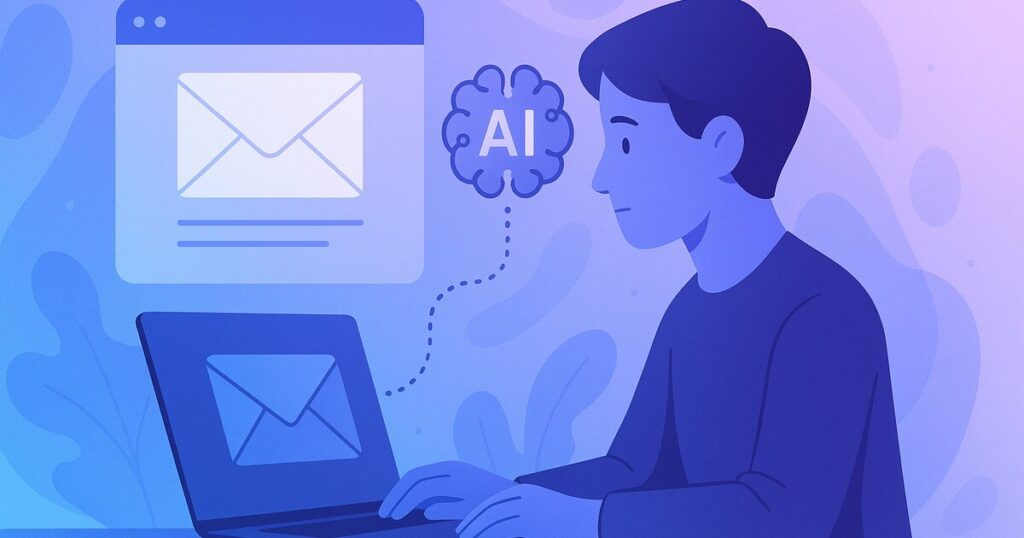
Email marketing remains one of the most effective channels for businesses looking to connect with their audience, drive conversions, and enhance customer loyalty. However, with the increasing competition in inboxes, the need for engaging and personalized email campaigns has never been more critical. This is where AI tools come into play. They can streamline your email marketing efforts, making them more efficient and effective. From automating content creation to optimizing send times, AI tools have revolutionized the way marketers approach email campaigns. In this comprehensive guide, we will explore how to effectively leverage email campaigns AI tools to create compelling emails that resonate with your audience.
To truly understand the potential of AI in email marketing, it’s essential to consider specific tools and their applications. For instance, platforms like Mailchimp and Constant Contact offer AI-driven features that can analyze subscriber behavior and suggest optimal send times based on when users are most likely to engage. These insights can significantly enhance open rates and overall engagement, as emails are delivered when recipients are most active. Additionally, AI can assist in segmenting your audience more effectively by analyzing data patterns, allowing you to tailor your messaging to specific demographics or interests.
Moreover, AI tools can enhance content creation by generating subject lines and body copy that resonate with your audience. Tools like Copy.ai or Jasper can provide multiple variations of email content based on a few input keywords, enabling marketers to test different approaches easily. For example, an e-commerce brand can create multiple versions of a promotional email targeting different customer segments, such as new subscribers versus returning customers, ensuring that each group receives content tailored to their purchasing behavior. This level of personalization not only captures attention but also increases the likelihood of conversions.
Understanding Email Marketing
Email marketing is more than just sending out promotional messages; it’s about building relationships with your audience. Understanding the fundamentals of email marketing is essential for any marketing professional or small business owner. Here are some key aspects to consider:
- Target Audience: Knowing your audience is crucial. Create buyer personas and segment your email list based on demographics, behavior, and interests. This ensures that the right message reaches the right people.
- Value Proposition: What value do you offer your subscribers? Whether it’s informative content, exclusive discounts, or useful resources, your emails should provide something beneficial to the reader.
- Consistent Branding: Your emails should reflect your brand’s identity. Use consistent colors, fonts, and tone to create a cohesive experience for your subscribers.
- Call to Action (CTA): Every email should have a clear CTA guiding readers on the next steps, whether it’s visiting your website, signing up for a webinar, or making a purchase.
With AI tools, you can enhance these elements significantly. For instance, AI can analyze past campaign performances to help you identify the best performing content and audience segments. Additionally, tools like the Email Subject Line Generator can help you craft compelling subject lines that increase open rates.
Personalization is another vital aspect of email marketing that can significantly boost engagement. By utilizing AI tools, you can tailor your messages to the individual subscriber’s preferences and past interactions. For example, if a subscriber frequently opens emails about a specific product category, AI can help you automatically recommend similar items or send targeted promotions. This not only increases the relevance of your emails but also fosters a deeper connection with your audience, making them more likely to engage with your content.
Moreover, AI-powered analytics can provide insights into the best times to send your emails based on when your audience is most active. By analyzing engagement patterns, you can schedule your campaigns to maximize open rates and interactions. For instance, if your data shows that subscribers are most active on weekends, consider launching your promotional campaigns on Fridays to capture their attention. This data-driven approach not only enhances the effectiveness of your email marketing strategy but also ensures that your efforts yield the highest possible return on investment.
Choosing the Right AI Tools
With a plethora of AI tools available, selecting the right ones for your email campaigns can be overwhelming. Here’s how to choose wisely:
- Define Your Goals: Before diving into tool selection, clarify what you aim to achieve—whether it’s increasing open rates, improving click-through rates, or automating your email content creation.
- Assess Features: Look for tools that offer features aligned with your goals. For example, if content creation is a priority, consider using tools like the Marketing Copy Generator or the Article Generator for automated assistance.
- User Experience: Choose tools that are easy to use and integrate seamlessly with your existing platforms. A user-friendly interface saves time and reduces the learning curve.
- Budget Considerations: Analyze the pricing structure of each tool. Some tools may charge based on the number of emails sent, while others might have monthly subscriptions. Ensure the tools fit within your budget.
- Trial Periods: Utilize free trials where available to test tools before committing. This hands-on experience will help you determine if a tool meets your needs.
For instance, using a tool like the Cold Email Generator can help craft targeted outreach messages for potential clients, saving you time while increasing your chances of engagement.
Consider tools that provide advanced analytics and reporting features. For example, platforms like Mailchimp and HubSpot offer in-depth insights into email performance, allowing you to track metrics such as open rates, click-through rates, and conversion rates. By analyzing this data, you can refine your email strategies based on what resonates most with your audience, helping you to continually improve your campaigns.
Additionally, look for AI tools that incorporate personalization capabilities. Tools like Persado or Phrasee can help you generate subject lines and content that are tailored to specific segments of your audience. Personalization can significantly boost engagement rates, as tailored messages are more likely to resonate with recipients. For instance, if you’re running a promotion, using AI to customize the messaging based on previous customer behavior can enhance the relevance of your emails, leading to higher conversion rates.
Creating Compelling Content
The heart of any email campaign lies in its content. AI tools can significantly aid in creating compelling, relevant, and engaging content. Here’s how to do it:
- Automated Content Generation: Utilize AI-powered tools to generate content ideas, headlines, and even full email drafts. For example, the Blog Post Generator can help you brainstorm topics that resonate with your audience.
- Tailored Messaging: Use AI to analyze subscriber behavior and preferences to tailor your content. For instance, if a segment of your audience often clicks on product discounts, focus your email content on special promotions for that group.
- Visual Content: Incorporating images, infographics, and videos can enhance engagement. Tools like Canva can provide AI-assisted design suggestions, making it easy to create visually appealing emails.
- A/B Testing: Use AI tools to conduct A/B tests on different content variations. This will help you determine what resonates best with your audience. For example, test different subject lines or message layouts to see which achieves higher open and click-through rates.
- Content Rewriting: Use the Content Rewriter to refresh existing content, ensuring it stays relevant and engaging over time.
Let’s consider a before-and-after example. Before utilizing AI tools, a marketing team might have sent generic newsletters with minimal engagement. After implementing AI-generated content strategies, they could see tailored emails featuring personalized recommendations based on past behaviors, leading to increased click-through rates and conversions.
Pro Tip: Always keep your emails concise and focused. Aim for clear, actionable messages that guide the reader without overwhelming them with information.
Personalization Techniques
Personalization is no longer optional in email marketing; it’s essential for engagement. AI tools can automate and enhance your personalization efforts. Here are some effective techniques:
- Dynamic Content: Use AI to create emails with dynamic content that changes based on the recipient’s data. For example, including product recommendations based on past purchases can significantly increase relevance.
- Behavioral Targeting: Leverage data from user behavior, such as pages visited or items added to a cart, to tailor your email content. AI can segment users into different categories based on these behaviors.
- Personalized Subject Lines: AI tools can help generate subject lines that include the recipient’s name or other personal details. This small touch can increase open rates significantly.
- Send Time Optimization: AI can analyze when a subscriber is most likely to open emails and optimize send times accordingly. This ensures your emails land in inboxes when they’re more likely to be seen.
- Feedback Loops: Use feedback loops to gauge audience preferences continually. AI can analyze responses to past emails to refine future personalization strategies.
For example, an e-commerce business utilized AI tools to personalize emails by sending out tailored recommendations based on the previous purchasing behavior of each subscriber. This strategy led to a noticeable increase in both open and click-through rates, directly impacting sales.
Pro Tip: Monitor engagement metrics of personalized emails closely. This will help you understand what types of personalized content resonate best with your audience.
Ready to Try These AI Tools?
AI Central Tools offers 330+ free AI tools for content creation, SEO, business, and more.
Analyzing Campaign Performance
Analyzing performance is crucial for refining your email marketing strategy. AI tools can provide deep insights into your campaign metrics, allowing you to make informed decisions. Here’s how to leverage AI for analysis:
- Key Metrics to Track: Focus on essential metrics such as open rates, click-through rates, conversion rates, and unsubscribe rates. An AI tool can automate this data collection and reporting process.
- Predictive Analytics: Use AI to forecast future campaign performance based on historical data. This can help you anticipate trends and adjust your strategies accordingly.
- Segmentation Analysis: Analyze how different segments respond to various campaigns. AI can help identify which segments yield the highest engagement and conversions.
- A/B Test Insights: Collect data from A/B tests conducted on your campaigns. AI can help you interpret the results and suggest optimal content strategies moving forward.
- Continuous Learning: Leverage machine learning algorithms that adapt and improve over time. As you generate more data, AI can enhance its predictions, leading to continually optimized campaigns.
For instance, after running a series of campaigns, a business used AI analytics tools to discover that emails sent on Wednesdays had a 30% higher open rate than those sent on Mondays. This insight allowed them to adjust their scheduling for future campaigns, resulting in improved performance.
One practical application of AI in analyzing campaign performance is the use of sentiment analysis on customer feedback and responses. By employing natural language processing (NLP) algorithms, businesses can gauge the emotional tone of replies to their emails, whether positive, negative, or neutral. For example, if a significant number of responses are negative regarding a particular product promotion, AI tools can quickly identify this trend and recommend adjustments to the messaging or product offerings. This proactive approach allows marketers to address concerns before they escalate, improving overall customer satisfaction and retention.
Additionally, AI can enhance the understanding of customer journeys by tracking how recipients interact with email content over time. By monitoring behavior patterns, such as the time spent on linked landing pages or subsequent purchases, AI tools can provide insights into the effectiveness of email content and layout. For instance, if data shows that users who clicked on a specific type of image in an email also tend to make purchases, marketers can leverage this information to create similar visual content in future campaigns. This data-driven approach to content creation ensures that campaigns are tailored to meet the preferences and behaviors of the target audience, ultimately driving higher engagement and conversion rates.
Frequently Asked Questions
What are the benefits of using AI in email marketing?
Integrating AI into email marketing significantly enhances efficiency and effectiveness. AI tools can automate repetitive tasks such as content creation and list segmentation, freeing up time for marketers to focus on strategy. Additionally, AI can provide insights through data analysis, helping businesses understand their audience better and tailor campaigns accordingly. This leads to improved engagement, higher open rates, and ultimately, increased conversions.
How can I personalize my email campaigns?
Personalization in email campaigns can be achieved by segmenting your audience based on their behaviors, preferences, and demographics. Using AI tools, you can automate the creation of dynamic content that adjusts based on the recipient’s data, such as recommending products based on past purchases. Incorporating the recipient’s name in the subject line or body of the email is another effective personalization technique. Regularly collecting feedback and analyzing engagement metrics can also help refine your personalization strategies over time.
Which AI tools are best for creating email content?
There are several AI tools that can assist in creating email content effectively. Tools like the Marketing Copy Generator help craft engaging copy while the Email Subject Line Generator aids in creating catchy subject lines. For businesses looking for more extensive content, the Article Generator and Blog Post Generator can provide valuable insights and content ideas. Leveraging these tools can help streamline the content creation process and enhance the quality of your emails.
How do I analyze the performance of my campaigns?
Analyzing the performance of email campaigns involves tracking key metrics such as open rates, click-through rates (CTR), conversion rates, and unsubscribe rates. AI tools can automate the data collection and reporting processes, providing insights into how your emails are performing. Additionally, employing A/B testing allows you to compare different strategies to see what works best. By using predictive analytics, you can forecast future performance based on historical data, enabling you to make informed adjustments for future campaigns.
What are the common mistakes to avoid in email marketing?
Common mistakes in email marketing include not segmenting your audience, which can lead to irrelevant content being sent to subscribers. Failing to optimize for mobile devices is another significant oversight, as many users read emails on their phones. Additionally, neglecting to analyze your campaign performance can hinder growth and improvement. It’s also crucial to avoid bombarding your audience with too many emails, as this can lead to higher unsubscribe rates. Utilizing AI tools can help mitigate these mistakes by providing data-driven insights and automating repetitive tasks, allowing you to focus on strategy and engagement.
This article contains affiliate links. If you purchase through these links, we may earn a small commission at no extra cost to you.
Online Learning
Skillshare
Online learning platform with thousands of classes in design, business, and technology.
Conclusion
Incorporating AI tools into your email marketing strategy can dramatically enhance your campaigns’ effectiveness and efficiency. From automating content creation to personalizing messages for better engagement, AI provides invaluable support for marketing professionals and small business owners alike. By understanding email marketing fundamentals, choosing the right AI tools, creating compelling content, and analyzing campaign performance, you can optimize your email marketing efforts and achieve greater success. As you embark on this journey, remember that continuous learning and adaptation are key to staying ahead in the ever-evolving landscape of email marketing. Start leveraging AI tools today, and watch your email campaigns flourish!
One practical way to leverage AI tools is through the use of predictive analytics, which can help you understand customer behavior and preferences. For example, platforms like HubSpot and Salesforce offer AI-driven insights that analyze past engagement data to predict which segments of your audience are most likely to convert. By utilizing these insights, you can tailor your email campaigns to target specific demographics with personalized offers, thus increasing open rates and conversions. Additionally, employing A/B testing powered by AI can help you refine your subject lines and content, further enhancing the effectiveness of your campaigns.
Another actionable insight is to utilize AI-driven automation for your email sequences. Tools like Mailchimp and ActiveCampaign allow you to set up automated workflows that trigger specific emails based on user interactions. For instance, if a subscriber clicks on a link to a product in your email but doesn’t make a purchase, you can automatically send a follow-up email with a discount offer or additional information about the product. This level of automation can save time and ensure that your audience receives timely, relevant communications that keep them engaged with your brand.