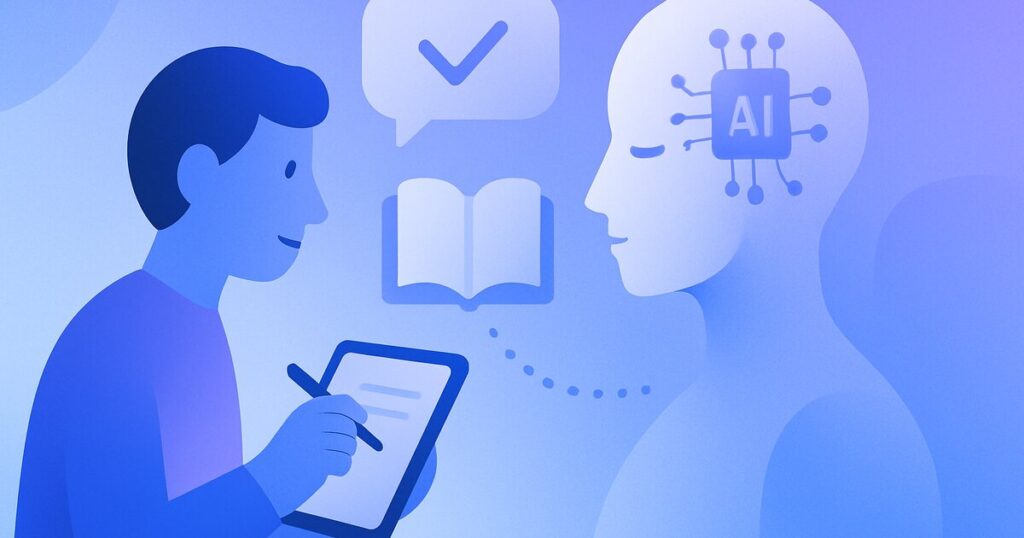




Educational How-To Guides
TL;DR: This article covers AI tutoring tools: personalized learning at scale with practical tips and tool recommendations.
Some links in this article may be affiliate links. This means we may earn a small commission at no extra cost to you if you make a purchase.
Introduction
The world of education is undergoing a significant transformation with the advent of Artificial Intelligence (AI) technologies. One area that stands out as particularly promising is AI tutoring tools. These innovative solutions are designed to provide personalized learning experiences at scale, helping to improve student outcomes and transform the way we teach and learn.
⚡ AI Tool: Blog Post GeneratorTry it free →
But what exactly do AI tutoring tools offer, and how can they benefit educators and students alike? In this article, we will delve into the key benefits of these cutting-edge tools, explore practical steps for getting started, and discuss best practices for maximizing their potential.
Key Benefits
AI tutoring tools offer a range of benefits for educators and students, including:
1. Personalized learning experiences: AI-powered tools can analyze individual student needs and provide tailored educational content. For example, tools like Tutor AI can assess a student’s strengths and weaknesses and create a customized study plan that addresses these specific areas. This customization can lead to a more effective learning experience as students engage with materials that resonate with their unique learning styles.
2. Improved student outcomes: By providing targeted support and feedback, these tools can help students achieve better grades and develop a deeper understanding of subject matter. A study conducted by the Education Research Institute found that students using AI tutoring tools showed an average improvement of 20% in their grades compared to those who did not. This improvement is often attributed to the immediate feedback provided by these tools, allowing students to address misconceptions in real-time.
3. Increased efficiency: Automating routine practice and feedback tasks allows educators to focus on the human elements of teaching while freeing up time for more strategic activities. For instance, AI tools can grade quizzes and provide instant feedback, allowing teachers to spend more time on personalized instruction. Additionally, platforms like Automated Grading Tools can streamline the grading process, reducing the workload on educators significantly.
Pro Tip: Consider integrating multiple AI tools to cover various subjects and learning needs, ensuring a well-rounded educational experience for each student.
4. Scalability: AI tutoring tools can be implemented across large student populations without the need for proportional increases in staff. This makes it feasible to provide personalized attention to every student, regardless of class size. For instance, platforms such as Adaptive Learning Systems can manage thousands of students simultaneously, tailoring lessons to each individual’s pace and performance. As a result, schools can maintain high educational standards even with large class sizes.
5. Enhanced engagement: Many AI tutoring tools incorporate gamification and interactive elements, which can make learning more engaging for students. For example, Gamified Learning Tools offer points and rewards for completing tasks, thereby motivating students to participate actively in their own learning journey. This approach can lead to higher levels of student satisfaction and retention, as students feel more connected to their learning process.
Pro Tip: Look for AI tools that allow for real-time feedback and adjustments during the learning process to enhance student engagement and retention.
How to Get Started
Getting started with AI tutoring tools is relatively straightforward:
1. Research potential options: Look into various AI tutoring tools and their features, pricing, and user reviews. Websites like Compare AI Tutoring Tools can help you find the best fit. Consider factors such as the age group of your students, the subjects being taught, and the specific learning outcomes you wish to achieve.
2. Implement pilot programs: Before fully integrating an AI tutoring tool into your educational framework, consider running a pilot program with a small group of students. This allows you to evaluate the effectiveness of the tool and make adjustments as needed. Gathering feedback from both students and educators during this phase is crucial for optimizing the tool’s use.
3. Train educators: It is essential to provide adequate training for educators on how to use AI tutoring tools effectively. This may include workshops, webinars, or one-on-one coaching sessions. Proper training ensures that teachers are comfortable using the technology and can maximize its benefits in the classroom.
4. Monitor progress: After implementation, continuously monitor student progress and engagement levels. Use analytic tools provided by the AI tutoring platforms to track improvements and identify areas needing further support. Regular check-ins with students can also provide qualitative feedback on their experiences.
5. Adjust strategies as necessary: Based on the data collected, be prepared to make adjustments to your teaching strategies or the use of AI tools. Flexibility is key to ensuring that the technology meets the evolving needs of your students.
Best Practices
To maximize the effectiveness of AI tutoring tools, consider the following best practices:
1. Set clear goals: Define what you want to achieve with the implementation of AI tutoring tools. This could range from improving test scores to increasing student engagement. Having clear objectives will guide your selection of tools and measure success.
2. Foster collaboration: Encourage collaboration among students using AI tools. This can include group projects or peer tutoring sessions where students share their insights and learn from each other. Collaboration enhances the learning experience and fosters a sense of community.
3. Provide ongoing support: Ensure that students have access to ongoing support while using AI tutoring tools. This might include office hours, forums, or chat support where they can ask questions and seek assistance. Having a support system in place can help mitigate frustration and keep students motivated.
4. Evaluate and iterate: Regularly evaluate the effectiveness of the AI tutoring tools in use. Gather data on student performance and satisfaction, and be open to making changes as necessary. Continuous improvement is vital for long-term success.
Examples of Successful Implementations
Numerous educational institutions have successfully integrated AI tutoring tools, demonstrating their transformative potential.
For instance, a high school in California implemented an AI tutoring platform that personalized math instruction for each student. The platform analyzed performance data and adjusted the difficulty of problems in real-time. As a result, the school reported a 30% increase in overall math proficiency within one academic year.
Another example is a university that used an AI tool for language learning. By providing instant feedback on pronunciation and grammar, students were able to improve their speaking abilities significantly. The university saw a 25% increase in students’ confidence in speaking the language, which contributed to higher course completion rates.
Common Mistakes to Avoid
While AI tutoring tools offer great potential, there are common pitfalls to avoid:
1. Over-reliance on technology: While AI tools are beneficial, they should not replace the essential human interaction in education. Maintain a balance between technology and traditional teaching methods.
2. Ignoring data: Failing to analyze the data generated by AI tools can lead to missed opportunities for improvement. Regularly review performance metrics to inform instructional decisions.
3. Neglecting student feedback: Student experiences are invaluable in assessing the effectiveness of AI tools. Regularly solicit and act on feedback from students to enhance the learning experience.
4. Skipping training: Not providing adequate training for educators can hinder the effective use of AI tools. Invest time and resources in training to ensure that teachers feel confident and competent.
Conclusion
AI tutoring tools are a powerful asset in the modern educational landscape, offering personalized learning experiences that can significantly improve student outcomes. By understanding their benefits, implementing best practices, and avoiding common mistakes, educators can leverage these technologies to enhance the learning experience for all students.
Key Takeaways
- AI tutoring tools provide personalized learning experiences tailored to individual student needs.
- Utilizing these tools can lead to improved student outcomes, with studies showing significant grade improvements.
- Automation of routine tasks allows educators to focus on personalized instruction.
- AI tools can scale to serve large student populations without a proportional increase in staff.
- Incorporating gamification can increase student engagement and motivation.
- Regularly gather and analyze data to monitor student progress and tool effectiveness.
- Ensure educators receive proper training to maximize the benefits of AI tutoring tools.
Q: What are AI tutoring tools?
A: AI tutoring tools are software applications that use artificial intelligence to provide personalized learning experiences for students, adapting content based on individual learning patterns and needs.
Q: How do AI tutoring tools improve student outcomes?
A: These tools analyze student performance in real-time and provide immediate feedback, allowing students to address misunderstandings quickly and learn more effectively.
Q: Are AI tutoring tools suitable for all age groups?
A: Yes, many AI tutoring tools are designed to cater to various age groups, from elementary school students to adult learners, providing tailored content for each demographic.
Q: Can AI tutoring tools replace teachers?
A: No, AI tutoring tools are meant to complement teachers, not replace them. They help automate repetitive tasks, allowing educators to focus on providing personalized instruction and support.
Q: How can I choose the right AI tutoring tool for my classroom?
A: Consider factors such as the subjects you teach, the age group of your students, the features of the tools, user reviews, and your educational goals to find the best fit.
Ready to Try These AI Tools?
AI Central Tools offers 329+ free AI tools for content creation, SEO, business, and more.
Expert Tips
- Start with Learning Objectives, Not Content
Define clear mastery goals for each unit before selecting an AI tutoring tool. When the AI knows the desired outcomes, it can curate resources and practice problems that directly align with those objectives, reducing wasted time on irrelevant content. This focus also makes it easier to measure progress against the original targets.
- Leverage Adaptive Assessment Features
Use the built‑in diagnostic quizzes and real‑time skill checks that most AI tutors provide. These assessments feed the algorithm with granular data about a student’s strengths and gaps, allowing the system to instantly adjust difficulty and presentation style. Schedule short, frequent checkpoints rather than one‑off exams to keep the adaptation loop tight.
- Integrate Human Feedback Loops
Even the smartest AI benefits from teacher oversight. Set aside time each week to
Practical Tips for Implementing AI Tutoring Tools in the Classroom
Integrating AI tutoring tools into your educational environment can significantly enhance personalized learning experiences. Here are some practical tips for educators looking to maximize the benefits of these technologies:
- Start Small: Begin by implementing one or two AI tools in your classroom. For instance, use an Article Generator to create reading materials tailored to your students’ levels. Gradually expand to include more tools as you become comfortable.
- Monitor Progress: Utilize the analytics provided by these AI tools to track student progress. Tools like the Keyword Research Tool can help identify areas where students struggle, allowing you to adjust your teaching strategies accordingly.
- Encourage Student Feedback: Engage students in discussions about their experiences with AI tutoring tools. Their insights can guide you in optimizing tool usage and addressing any concerns they may have.
- Balance Technology and Human Interaction: While AI can facilitate personalized learning, it’s essential to maintain the human touch in education. Use AI tools for routine tasks, allowing you to focus on mentorship and emotional support.
Use Cases for AI Tutoring Tools
AI tutoring tools can be effectively utilized across various educational scenarios. Here are some notable use cases:
- Homework Assistance: AI tutoring tools can provide instant feedback on homework assignments. This allows students to learn from their mistakes in real time, promoting a deeper understanding of the subject matter.
- Exam Preparation: Use AI tools to create customized study plans based on students’ strengths and weaknesses. For example, an Content Improver can help refine practice questions tailored to specific topics.
- Special Education: AI tutoring tools can be adapted to meet diverse learning needs. They can provide additional resources and tailored learning paths for students with disabilities, ensuring inclusivity in education.
- Language Learning: AI-powered language tutoring tools can offer personalized vocabulary and grammar exercises, helping students learn at their own pace. Leveraging an Content Outline Generator can assist in structuring lesson plans for language acquisition.
Advanced Techniques for Maximizing AI Tutoring Tools
To fully harness the potential of AI tutoring tools, consider implementing these advanced techniques:
- Integrate AI with Existing Curriculum: Align AI tutoring tools with the existing curriculum. Using an Article Outline Generator can help you create content that meshes well with AI resources, ensuring a cohesive learning experience.
- Facilitate Peer Learning: Encourage students to collaborate using AI tools. For example, have them work together on projects generated by an Long-Form Article Writer, promoting teamwork while utilizing technology.
- Stay Updated with AI Trends: Continually educate yourself on the latest developments in AI education technology. Subscribing to relevant newsletters or attending webinars can keep you informed about new tools and features.
- Customize Learning Paths: Use AI tools to create individualized learning paths for students. This can be achieved by leveraging data analytics from the tools to adapt content, ensuring each student progresses at their own pace.
FAQs about AI Tutoring Tools
What are AI tutoring tools?
AI tutoring tools are educational technologies that use artificial intelligence to adapt learning experiences to individual student needs, providing personalized content and feedback.How can educators benefit from AI tutoring tools?
Educators can save time on routine tasks, gain insights into student performance, and focus on enhancing student engagement and support through the use of AI tutoring tools.Are AI tutoring tools suitable for all students?
Yes, AI tutoring tools can be adapted for various learning styles and needs, making them beneficial for all students, including those with special educational requirements.Read more