Some links in this article may be affiliate links. This means we may earn a small commission at no extra cost to you if you make a purchase.
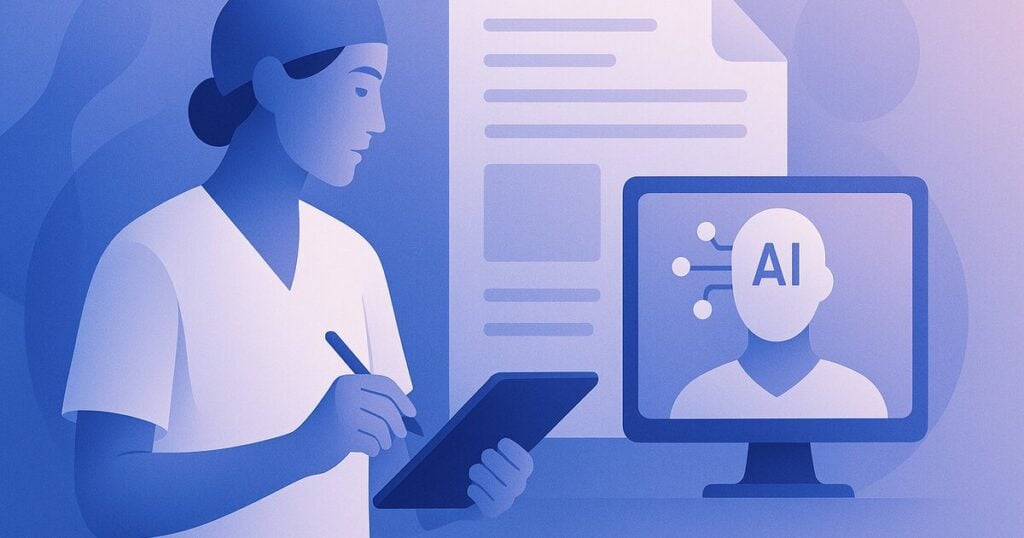
The world of healthcare is undergoing a significant transformation with the integration of artificial intelligence (AI). One area that has seen substantial growth is the use of AI for clinical documentation. In this article, we’ll explore how healthcare professionals are using AI to streamline their documentation processes and improve patient care. Try our Article Generator

Introduction
Editorial recommendation
Discover 242 free AI tools
Explore the AI Central Tools marketplace — writing, coding, marketing and more, all in one place.
Clinical documentation is a crucial aspect of healthcare, as it provides a comprehensive record of patient interactions and treatment plans. However, the process can be time-consuming and labor-intensive, taking away from the attention that healthcare professionals should devote to patient care. Try our Headline Generator
The use of AI for clinical documentation has gained significant traction in recent years, with many healthcare organizations adopting AI-powered tools to improve efficiency and accuracy. But what exactly is AI, and how does it benefit healthcare professionals?
<h2 Table of Contents
For example, clinicians using AI-powered ambient scribing tools like Nuance Dragon Medical or Abridge can automatically generate visit summaries by recording and analyzing patient conversations in real time. These tools integrate with electronic health records (EHRs) such as Epic or Cerner, reducing time spent on manual documentation by up to 50% and allowing providers to focus more on patient care.
Customization is critical—healthcare teams can train AI models to recognize specialty-specific terminology, such as oncology treatment plans or orthopedic exam findings, improving documentation accuracy. Additionally, enabling AI to flag common documentation gaps (e.g., missing HPI elements or medication reconciliation) ensures compliance with billing and quality standards while supporting real-time clinical decisions.
Another practical application of AI in healthcare documentation is the use of natural language processing (NLP) to streamline the coding and billing process. For instance, tools like Optum’s 360 Encompass can analyze clinician notes and automatically suggest appropriate billing codes based on the documented services. This can significantly reduce the time coders spend on manual reviews, decrease the likelihood of coding errors, and enhance revenue cycle management. By integrating these AI-driven solutions into the clinical workflow, healthcare providers can ensure faster reimbursement while minimizing the administrative burden on their staff.
Moreover, AI can assist in ensuring clinical documentation improvement (CDI) by providing real-time feedback during patient encounters. Tools like Qventus leverage machine learning algorithms to monitor documentation in real time, alerting clinicians about potential discrepancies or missing information before the patient leaves the office. This proactive approach not only enhances the completeness of the medical record but also empowers healthcare professionals to make more informed decisions during patient visits. By implementing such AI solutions, healthcare organizations can boost overall documentation quality and enhance patient outcomes.

Frequently Asked Questions
How does AI improve clinical documentation in healthcare?
AI improves clinical documentation by automating administrative tasks, which reduces the time healthcare professionals spend on paperwork. This allows them to focus more on patient care and enhances the accuracy of documentation by flagging inconsistencies in patient records.
What are some tools used for AI in clinical documentation?
Some popular AI-powered tools for clinical documentation include speech recognition software, natural language processing applications, and electronic health record (EHR) systems that incorporate AI features. These tools help streamline data entry and enhance the overall efficiency of documentation processes.
Can AI reduce burnout among healthcare professionals?
Yes, by automating repetitive documentation tasks, AI can significantly reduce the administrative burden on healthcare professionals, leading to decreased stress and burnout. This allows them to spend more time on patient interactions and less on paperwork.
What role does real-time clinical decision support play in AI documentation?
Real-time clinical decision support provided by AI helps healthcare professionals make informed decisions at the point of care. It analyzes patient data and offers recommendations, which can improve treatment outcomes and enhance the quality of care.
Are there any risks associated with using AI for clinical documentation?
While AI offers many benefits, there are potential risks, including data privacy concerns and the possibility of inaccuracies in AI-generated documentation. It’s essential for healthcare professionals to remain vigilant and ensure that AI tools are used as aids rather than replacements for their clinical judgment.
One practical example of AI improving clinical documentation is the use of speech recognition software, such as Dragon Medical One, which allows healthcare professionals to dictate patient notes directly into electronic health record (EHR) systems. This technology not only accelerates the documentation process but also captures the nuances of patient interactions more effectively than traditional typing methods. By reducing the time spent on documentation, clinicians can allocate more time for patient engagement, ultimately enhancing the patient experience and fostering stronger relationships.
Another actionable insight involves the integration of natural language processing (NLP) tools within EHR systems. For instance, systems like IBM Watson can analyze unstructured data from clinical notes, extracting relevant information and ensuring it is accurately recorded in patient records. This capability can help identify trends in patient care, flag potential errors, and improve coding for billing purposes, which can lead to better financial outcomes for healthcare organizations. By leveraging these advanced tools, healthcare professionals can ensure that documentation is not only accurate but also clinically relevant, thereby improving overall patient care.